Introduction
Buying a car in Oman often begins with a question that shapes the entire decision: when does the market create the right moment for a meaningful price advantage. Seasonal demand, dealership targets, import cycles and shifting economic conditions all influence how prices move throughout the year. Budget-conscious shoppers pay close attention to these fluctuations because the timing of a purchase can determine the size of a discount, the range of vehicles available and the level of negotiation room a seller is willing to consider.
In Oman, both the new and used car markets operate within recognizable rhythms. Dealers clear inventory during specific periods, importers bring in batches of stock that briefly increase supply and holiday seasons spark promotional campaigns. At the same time, private sellers adjust expectations based on personal timelines, creating their own patterns of flexibility. Understanding how these forces interact helps buyers align financial goals with the most suitable buying window.
A well-timed purchase does more than reduce upfront costs. It also influences long-term ownership value by helping buyers select vehicles with stronger resale prospects and more favorable maintenance profiles. With Oman’s growing used car market, rising SUV demand and wider financing options, knowing how timing shapes availability and pricing gives buyers a practical advantage. This guide explains those dynamics in clear detail so shoppers can approach the market with clarity and confidence.
Key Takeaways
• Early-year months often bring quieter demand and higher inventory, which can support better negotiation results.
• Ramadan drives strong promotional activity among dealerships, making it a predictable period for competitive offers.
• End-of-month and year-end cycles influence seller motivation, particularly when targets or inventory turnover pressures rise.
• Market structure, vehicle type and supply channel each change how timing affects price and availability.
Table of Contents
Market Overview – Oman’s Car Market in 2025
Oman’s car market in 2025 reflects a balance between expanding consumer interest and a maturing supply ecosystem. The used segment now attracts a larger share of shoppers due to accessible pricing, diverse body types and stronger online platforms that simplify comparison. SUVs maintain a noticeable presence in listings due to their practicality for families and long-distance travel, while compact sedans continue to appeal to cost-focused buyers who prioritize fuel efficiency and low maintenance overhead.
Inventory flows depend heavily on import cycles. Cars arriving from neighboring GCC countries add variety to the market, and these inflows often cluster around certain months when exporters release high volumes. Trade-ins at authorized dealerships also influence availability by replenishing mid-range and higher-quality used stock. As these movements occur, buyers experience short windows with more abundant choice.
Economic factors also guide demand. Shifts in household purchasing power, non-oil sector activity and living cost adjustments influence how aggressively consumers search for vehicles. Stable economic conditions typically support consistent buying behavior across the year, while tighter periods lead to slower demand that can create room for negotiation.
Sales channels continue to diversify. Established dealers provide structured purchase processes, inspection transparency and warranty options. Online marketplaces offer a broad range of listings from private sellers to semi-organized dealers, allowing shoppers to find lower prices or niche options. Certified pre-owned programs expand gradually, giving buyers access to inspected vehicles with reliable documentation.
Together, these factors create a market with clear patterns but enough variability for strategic buyers to benefit from smart timing. Understanding this environment sets the foundation for identifying the most advantageous moments to make a purchase.
What Drives Price Fluctuations in Oman
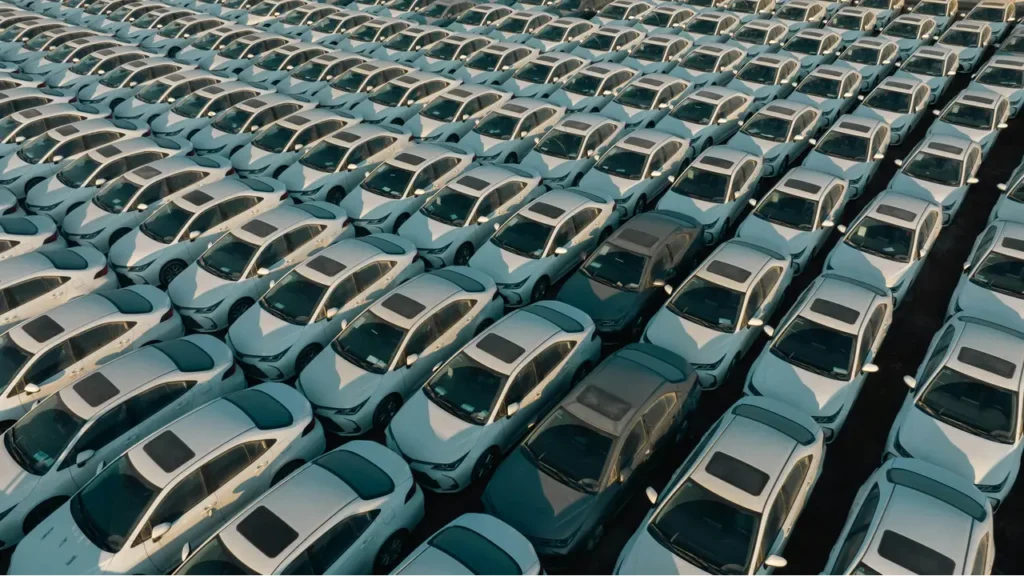
Car prices in Oman shift throughout the year because several interconnected forces shape supply, demand and seller behavior. When import shipments arrive in high volumes, dealers and independent sellers face more competition, which often increases willingness to negotiate. These inventory cycles become especially noticeable after customs processing periods, when listings suddenly expand and buyers gain access to fresh options.
Dealership incentives also play a major role. Sales teams operate within monthly, quarterly and annual performance structures. Approaching the end of these cycles, sellers often show greater flexibility to meet targets or clear older models before updated shipments arrive. Holiday periods such as Ramadan create promotional surges, where distributors bundle financing offers, service packages or extended warranties to attract buyers seeking value rather than reduced sticker prices.
Demand shifts create another layer of movement. Economic trends, income stability and household expenses influence how actively consumers pursue purchases. When demand softens, vehicles remain listed for longer, prompting sellers to reconsider asking prices. During peak seasons, buyers may face fewer discounts but wider service-based incentives.
Different sales channels add further variation. Official dealerships typically adjust prices or financing during promotional periods, while online marketplaces reflect the urgency or personal timelines of private sellers. Independent dealers react quickly to inventory pressure, enabling negotiation opportunities when stock levels exceed demand.
These combined elements create recognizable timing patterns but also explain why two similar vehicles may display different levels of flexibility within the same month. Understanding how supply cycles, dealer motivations, consumer behavior and sales channels interact gives budget-focused shoppers a clear framework for spotting advantageous windows and acting at the right moment.
Timing Windows – When Car Deals Are Historically Best in Oman
Timing plays a significant role in securing favorable prices in the Omani car market, especially for buyers focusing on value and negotiation potential. Several periods during the year consistently create market conditions where sellers become more flexible, inventory expands or promotional activity strengthens. These windows help explain why certain months shape buyer decisions more effectively than others.
Early-year months such as January and February often mark a quieter phase in demand. After the year-end buying wave, many buyers pause major purchases, leaving dealers and private sellers with larger stocks and fewer active shoppers. This imbalance frequently opens room for negotiation, particularly in the used segment where supply rises following trade-ins and incoming GCC imports cleared at the start of the year. Buyers who prefer choosing from wide listings often find these months productive.
Holiday and religious periods, especially Ramadan, bring a different set of advantages. Dealers across Oman frequently release structured promotional campaigns that focus on value-added elements rather than direct price cuts. These may include service packages, extended warranty support, reduced financing rates or bundled insurance options. Such additions can create substantial long-term savings and appeal strongly to budget-conscious buyers who prioritize predictable ownership costs.
End-of-month, quarter-end and year-end cycles also influence pricing patterns. Sales teams often operate within target-driven frameworks, which generates motivation to finalize deals before performance periods close. This behavioral pattern makes these cycles suitable for buyers ready to commit quickly, as negotiation flexibility tends to rise during these windows. For used cars, this same period may align with sellers seeking to offload stock before renewing fleet units or adjusting inventory for the new year.
Different vehicle types respond uniquely to these timing patterns. SUVs may see greater availability during months of strong import activity, while compact sedans often become more competitively priced during promotional cycles. Understanding these variations helps buyers decide when to act and which periods align best with their specific needs.
Vehicle Type and Buyer Profile – Which Timing Works for Whom
Different vehicle categories in Oman follow distinct availability patterns, and each buyer profile responds to timing in a unique way. Budget-focused shoppers, first-time buyers, family buyers and long-term planners often benefit from targeting periods where supply, pricing and incentives align with their specific requirements. Understanding how these groups interact with market rhythms helps transform timing into a practical advantage.
Budget-conscious used-car shoppers tend to gain the most in early-year periods and immediately after Ramadan. These windows typically bring higher supply from trade-ins and GCC shipments, allowing buyers to compare a larger range of age brackets, mileages and price points. Sellers who need quick turnover during these periods often adjust expectations, making negotiation more productive. Since used vehicles require careful inspection, these months also provide enough time for deliberate comparison without the fast-paced competition that emerges during holiday seasons.
First-time buyers or shoppers with smaller budgets often prioritize compact sedans or hatchbacks with low running costs. Holiday promotions are particularly useful for this group because dealerships frequently introduce financing packages that ease early ownership expenses. Bundled maintenance or insurance also reduces uncertainty for buyers who want predictable budgeting. This profile benefits from visiting showrooms during Ramadan or major national celebrations when structured offers are at their peak.
Family buyers and SUV seekers typically look for reliable models with strong resale patterns. These buyers often find better selection during high-import months when fresh stock broadens the market. Since SUVs maintain strong demand in Oman, discounts may be modest, but inventory depth helps in finding cleaner units with better service histories. Quarter-end periods may also introduce rare opportunities for negotiating accessories or extended service options.
Hybrid and EV buyers approach timing differently because supply is narrower and tied closely to dealership release schedules. These models often appear in clusters when distributors introduce new batches, making availability more important than discount opportunities. Buyers focusing on long-term savings through fuel economy or warranty coverage benefit from monitoring incoming shipments to secure the most suitable unit. Each buyer profile ultimately thrives by aligning purchasing goals with the period that best supports selection, pricing flexibility and long-term value.

Choosing the Right Sales Channel — Timing Meets Source
Sales channels across Oman shape not only price points but also the timing dynamics that influence those prices. Organized dealerships, online marketplaces, certified pre-owned programs and private sellers each respond differently to market pressure, and understanding these reactions helps buyers choose the most strategic moment to engage.
Dealerships and official distributors follow predictable promotional cycles. Holiday periods, especially Ramadan, generate structured marketing campaigns with added value on services, financing and warranties. While list prices may not shift dramatically, the combined savings on ownership can be significant. Dealerships also respond strongly to end-of-month or quarter deadlines, when meeting internal targets encourages flexibility on accessory packages, trade-in valuations or small price adjustments. Shoppers seeking newer vehicles or reliable documentation often find these cycles particularly useful.
Online marketplaces introduce a more fluid timing structure. Listings reflect the personal circumstances of sellers, leading to price adjustments that follow individual needs rather than seasonal patterns. End-of-month periods often see private sellers lowering prices to meet financial commitments, while post-import months increase the volume of available options from semi-organized dealers. Buyers comparing multiple units within the same model range can leverage this environment to negotiate effectively.
Certified pre-owned programs sit between the structure of dealerships and the variety of open marketplaces. These programs release inspected vehicles in batches tied to trade-in cycles and dealership stock turnover. Timing strategies that work for dealerships—such as quarter-end motivation—also apply here, but with added predictability around vehicle condition and documentation. Buyers who prioritize lower risk often see this channel as a balanced alternative, especially when promotional financing aligns with their purchasing window.
Matching the timing strategy with the right channel creates a more controlled purchase experience. Each source responds differently to supply pressure and demand shifts, and choosing the channel that aligns with personal budget priorities can make the timing advantage more meaningful.
Financial and Ownership Considerations – Total Cost, Not Just Price
The timing of a car purchase in Oman affects more than the transaction price. Ownership expenses, financing structures and long-term value indicators shift throughout the year, making these financial elements essential in determining the best moment to buy.
Financing and insurance offers often reach their strongest levels during holiday campaigns. Dealers use these periods to attract cost-sensitive buyers by reducing interest rates, extending loan tenures or bundling insurance at favorable terms. These incentives create long-term savings that can outweigh direct discounts, particularly for first-time buyers seeking predictable monthly expenses. When combined with service packages or complimentary maintenance, the initial ownership period becomes more affordable and easier to manage.
Depreciation patterns also influence timing decisions. Vehicles purchased at the end of a model year may experience faster initial depreciation but often come with better negotiation opportunities or added features. Buyers who plan to keep their vehicle for several years may prioritize long-term value through condition, mileage and service history rather than focusing solely on the lowest upfront price. For used vehicles, depreciation tends to stabilize after the early years, making timing more about availability and negotiation potential than model-year transitions.
Documentation and registration considerations vary depending on channel and season. Buying from private sellers during busy periods may involve longer processing times at registration centers, while dealership purchases during promotional seasons often include streamlined paperwork or assistance with administrative steps. Ensuring clear documentation, accurate mileage records and proper import verification remains essential regardless of timing.
Evaluating total cost rather than just sticker price helps buyers make decisions that support financial stability throughout ownership. Timing becomes a strategic tool when buyers connect seasonal incentives, financing conditions and long-term value into a unified approach that minimizes unexpected expenses.
Risks, Trade-offs and What to Watch Out For
Timing can create opportunities in the Omani car market, but every advantageous window comes with trade-offs that buyers should weigh carefully. Understanding these risk factors helps prevent situations where a low initial price leads to higher long-term costs or limited satisfaction with the vehicle.
Buying during peak discount periods, such as end-of-year clearance cycles, often exposes shoppers to older inventory. These vehicles may include units that have remained unsold due to less popular specifications, higher mileage or cosmetic imperfections. While the pricing may appear attractive, buyers must examine service records, evaluate mechanical condition and confirm that maintenance schedules were followed. A discounted price loses value quickly if the vehicle requires repairs shortly after purchase.
Periods with high supply, such as early-year post-import months, present another set of considerations. The abundance of listings can make it harder to distinguish well-maintained vehicles from those with incomplete documentation or unclear histories. Private sellers may also list cars with minor issues that are not immediately visible. Careful inspection, third-party evaluation and verification of any import-related paperwork become essential steps when supply is high and sellers are eager to negotiate.
Holiday promotions can create strong incentives but may shift the buyer’s attention toward bundled benefits rather than total ownership suitability. A financing package or extended service offer may lead to a sense of immediate savings, but the selected vehicle still needs to align with long-term usage patterns, expected mileage and fuel economy goals. Buyers should balance the appeal of promotional enhancements with a realistic understanding of future maintenance costs and potential resale value.
Another risk arises when timing pressures encourage quick decisions. End-of-month or target-driven negotiation windows can tempt buyers to finalize agreements without thorough comparison. In these moments, buyers benefit from maintaining clarity on acceptable price ranges, preferred specifications and required documentation. Recognizing that urgency can also accompany a seller’s motivation helps maintain balance and avoid reactive choices.
Identifying these risks provides a stable foundation for decision-making. Shoppers who remain patient, informed and methodical often achieve better long-term value than those who focus solely on the timing advantage.
Buyer’s Decision Framework and Checklist
A structured approach helps buyers navigate the varied timing patterns in Oman’s car market. Using a decision framework allows shoppers to match personal priorities with market conditions, ensuring that each step supports long-term value. The goal is to simplify the process by connecting budget, timing, vehicle type and channel selection into one clear pathway.
The first step involves establishing a budget range that accounts for both purchase price and ongoing ownership costs. Buyers should compare different timing windows based on their goals: early-year periods for wider selection, Ramadan for promotional value, and end-of-month cycles for negotiation leverage. Combining these observations with awareness of supply trends helps refine the shortlist of suitable buying periods.
Next, evaluating vehicle type and intended usage guides selection. Shoppers seeking compact sedans or hatchbacks may align with promotional seasons, while SUV buyers often benefit from months with strong import activity. For used vehicles, the framework should include detailed checks on service history, mileage consistency and inspection results.
Channel selection follows naturally once timing and vehicle type are defined. Dealerships support buyers seeking documented vehicles and structured incentives. Online marketplaces provide pricing flexibility but require deeper verification. Certified pre-owned programs serve those who want balanced risk control and moderate savings.
The checklist reinforces these decisions through clear, repeatable steps: confirm documentation, verify import approval if applicable, inspect mechanical and cosmetic condition, review financing terms, compare insurance options, and calculate expected ownership costs. Buyers who revisit this checklist during key timing windows maintain consistency and reduce the chance of overlooking important factors.
This structured approach transforms a potentially complex process into a methodical sequence. It ensures that the final purchase reflects both market timing and deliberate decision-making rather than reacting to temporary incentives or pressure.
Forecast and Buying Strategy for 2026 and Beyond
Market signals for the coming years suggest continued growth in Oman’s used and new car segments, supported by steady consumer demand, diversified sales channels and rising interest in SUVs, hybrids and well-maintained pre-owned vehicles. These trends influence future timing windows, giving buyers insight into how the next cycle may unfold.
Import-driven supply patterns are expected to remain consistent, with batches of GCC vehicles entering the market at predictable intervals. This creates ongoing opportunities in early-year periods and months when customs processing shifts stock into showrooms and online platforms. Rising digital marketplace activity also means buyers will likely see greater listing volume throughout the year, offering more chances to compare vehicles across price bands and conditions.
Holiday campaigns are likely to maintain their importance. Dealerships continue to rely on seasonal promotions to attract value-focused customers, particularly during Ramadan and other major national events. Financing incentives may expand as lenders adapt to evolving consumer preferences, making these promotional seasons even more relevant for buyers seeking manageable long-term commitments.
Economic stability and gradual non-oil sector growth may support steady demand for both new and used vehicles, though shifts in living costs could prompt buyers to prioritize fuel economy and maintenance reliability. This aligns with a growing interest in hybrids and efficient sedans, indicating that timing windows for these categories may align more closely with shipment schedules than with price-driven promotions.
A forward-looking strategy involves monitoring import cycles, tracking dealership announcements and observing listing activity on major digital platforms. Buyers who align these indicators with personal financial planning will be better positioned to secure strong value. This approach makes timing a predictive tool rather than a reactive choice, strengthening purchase decisions in the years ahead.
FAQs
1. What is the best month to buy a car in Oman?
January, February and post-Ramadan months often bring strong negotiation opportunities due to higher inventory and softer demand.
2. Are Ramadan car offers in Oman worth considering?
Ramadan promotions usually include financing deals, service packages and added-value bundles, making them a popular choice for budget-focused buyers.
3. Do car prices in Oman drop at the end of the year?
End-of-year and quarter-end cycles often encourage dealers to adjust prices or add incentives as they work toward meeting sales targets.
4. When is the best time to buy a used car in Oman?
Used car buyers benefit most during early-year periods and months with high import activity, when selection expands and sellers show more flexibility.
5. Does timing affect new and used cars differently in Oman?
Yes. New cars align with dealership promotions and target cycles, while used cars follow inventory surges, import patterns and private seller timelines.
Conclusion
Understanding timing in the Omani car market provides buyers with tangible advantages that shape both immediate savings and long-term ownership satisfaction. Recognizing when supply expands, when sellers face internal targets and when promotional activity peaks allows budget-conscious shoppers to navigate the market with greater precision and confidence.
Early-year months, Ramadan promotions and end-of-cycle negotiation periods each offer distinct benefits. Buyers who match these windows with their specific vehicle needs, budget limitations and preferred sales channels are more likely to find units with strong documentation, reliable condition and favorable pricing structures. Long-term factors such as fuel economy, maintenance expectations and resale value remain essential in evaluating whether a deal truly supports future stability.
A strategic approach—supported by a clear checklist, awareness of market rhythms and patience—helps buyers focus on meaningful opportunities rather than surface-level incentives. By understanding how timing influences both pricing and availability, shoppers achieve greater clarity and improve the likelihood of securing a vehicle that aligns with personal and financial goals.